Hybrid Inverter Compliance in the EU: CE Marking, IP Ratings, and Regional Standards Explained
Hybrid inverter compliance in the EU is not a single document. It is a stack of product-level and market-level requirements — regional grid designation, enclosure protection degree, battery chemistry, safety standards, and the trade classification that decides how the unit crosses a border. Buyers who reduce that stack to one question — “is it CE marked?” — usually miss the requirement that actually blocks their installation.
This guide breaks that stack down using published standards, trade classifications, and Yeyanghong Energy’s own EU-standard product facts. It is written for importers, distributors, EPC contractors, and procurement engineers evaluating hybrid inverters for European residential and light commercial projects.
• Standards vary by region. A requirement that is mandatory in one market may be optional in another, and a specification written for India, North America, or the Middle East does not transfer directly to the EU.
• No CE certification claim is made in this article. Yeyanghong Energy does not claim CE marking or CE certification for its hybrid inverter range here. What the product specification sheets and product imagery confirm is EU-standard designation at the product level: 220V~230V output, 50Hz rated grid frequency, and defined IP protection degrees.
Why “Is It CE Marked?” Is the Wrong First Question
Most EU procurement conversations about hybrid inverters begin with one checkbox: CE marking. That checkbox matters, but it is the last step of a compliance chain — not the first.
Three structural problems make the single-question approach unreliable.
First, hybrid inverters sit at the intersection of several regulatory domains. A hybrid inverter performs photovoltaic (PV) inverter functions, grid-interactive functions, battery charging functions, and frequently stand-alone functions. Each domain can carry a different requirement set, and the safety standard that governs one function may not cover the others.
Second, the EU is not a single electrical market. Output voltage and grid frequency are harmonised at the EU-standard 220V~230V / 50Hz level, but grid interconnection rules, installation codes, and utility approval processes are administered nationally — and sometimes regionally inside a member state.
Third, protection degree is routinely mistaken for a marketing number. In practice, the IP rating decides where a unit can physically be installed — indoor cabinet, sheltered wall, exposed outdoor wall, or a coastal environment — and therefore drives the entire project layout and cable-entry design.
When buyers skip these layers and go straight to the CE question, the compliance failure usually surfaces late: at utility interconnection approval, at site inspection, or at the first post-installation audit.
The EU Hybrid Inverter Context: Scale, Standards, and Regional Divergence
The commercial backdrop explains why so much procurement attention lands on this category. Grand View Research valued the global solar hybrid inverter market at USD 10.7 billion in 2024 (Solar Hybrid Inverter Market Size Report, 2025–2030). Within that market, three-phase hybrid inverters held a 61.3% revenue share in 2024, while North America held a 42.9% regional revenue share.
Those two figures are useful for EU buyers for one reason: they show how differently the hybrid inverter category is structured across regions. A share concentration that is normal in North America does not describe the EU market, and the compliance questions attached to a three-phase commercial installation in Europe are not the same as those for a single-phase residential installation elsewhere.
At the trade level, hybrid inverters with Maximum Power Point Tracking (MPPT) are classified under HS Code 8504.40.84, a WCO-based classification. Buyers should note that the broader heading HS 850440 covers all static converters — inverters, chargers, rectifiers, and power supplies — so trade data pulled at that level cannot be used as a proxy for solar hybrid inverter volume without product-level filtering.
Between those two layers sits the part that decides whether a unit can be installed at all: product safety and architecture standards.
The standards that apply to hybrid inverter qualification
- IEC 62109-2:2011 — Safety of power converters for use in photovoltaic power systems, Part 2. The IEC publication description states that it covers the particular safety requirements relevant to DC-to-AC inverter products, and to products that have or perform inverter functions in addition to other functions, where the inverter is intended for use in photovoltaic power systems.
- IEC TS 62257-9-7:2019 — Renewable energy and hybrid systems for rural electrification, Part 9-7. Specifies criteria for selecting and sizing inverters suitable for different off-grid applications that integrate solar as an energy source. The IEC source page states this publication has been replaced by IEC TS 62257-350:2025; the current replacement status must be verified before it is used in a compliance claim.
- IEC TS 62257-301:2025 — Renewable energy off-grid systems. Describes the design and implementation of hybrid off-grid solar systems in which solar energy supplies a load together with other energy sources, with or without an energy storage system.
- HS 8504.40.84 — Classification for hybrid inverters with MPPT functionality.
These are scope descriptions published by the standard bodies and by a trade-classification authority. They are not, and should not be read as, a certificate held by any specific manufacturer.
How regional divergence shows up in practice
A useful illustration comes from outside the EU. An Indian government technical specification for hybrid solar PV power plants lists example requirements of 230/415 VAC output, 50 Hz frequency, and efficiency above 97%, and references IEC 61683, IEC 61727 or VDE-AR-N 4105, IEC/EN 62109-1, and IEC/EN 62109-2.
Those figures are India-specific procurement requirements. They must not be generalised to the EU — and they illustrate precisely why “which standard applies” is always a market question rather than a product question.
What EU-Standard Hybrid Inverter Compliance Covers at Product Level
At product level, the requirements EU buyers can verify directly from a supplier’s datasheet and imagery fall into four groups: grid designation, enclosure protection, battery chemistry, and warranty.
EU-standard grid designation on the 6–15KW hybrid range
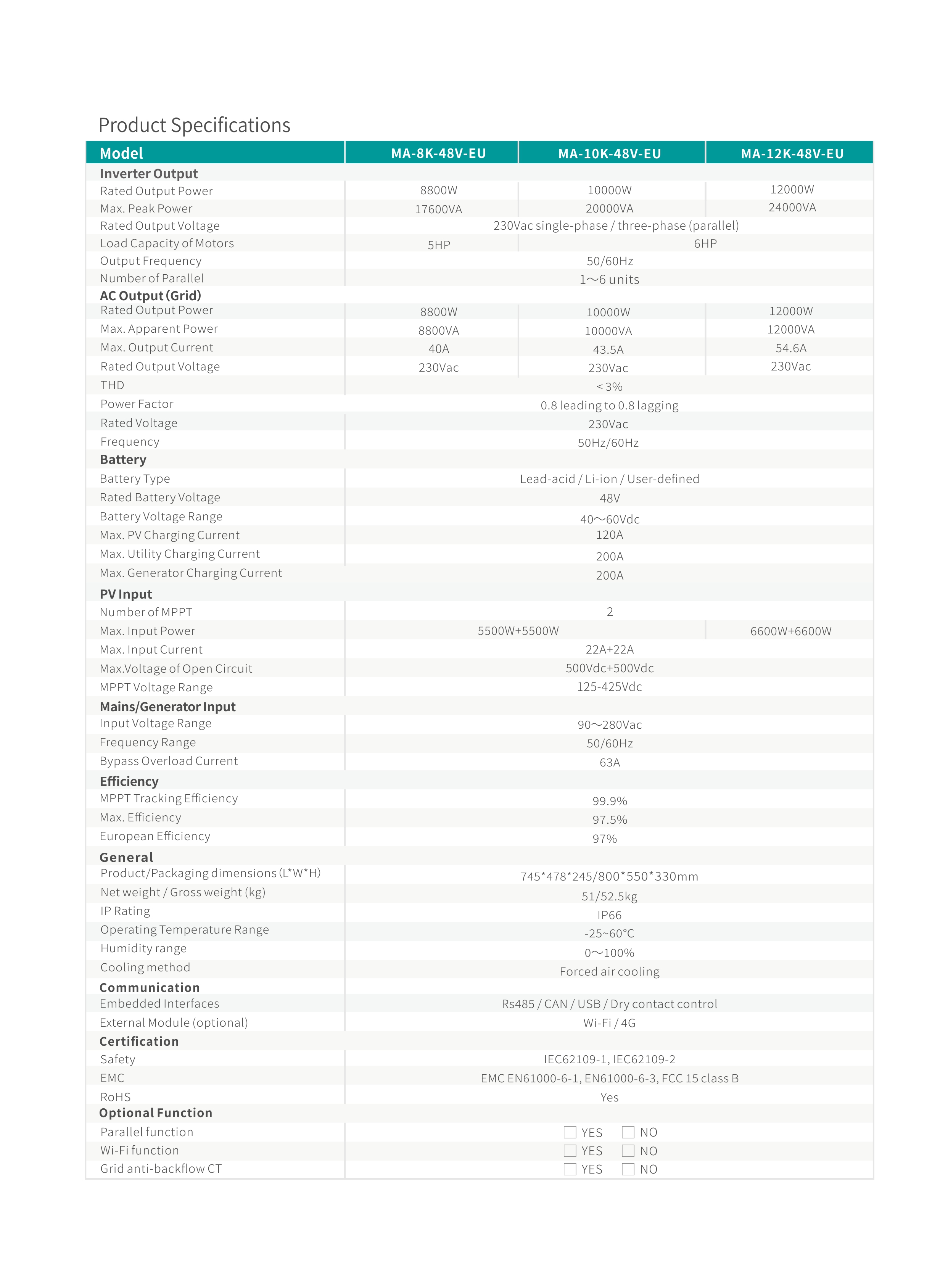
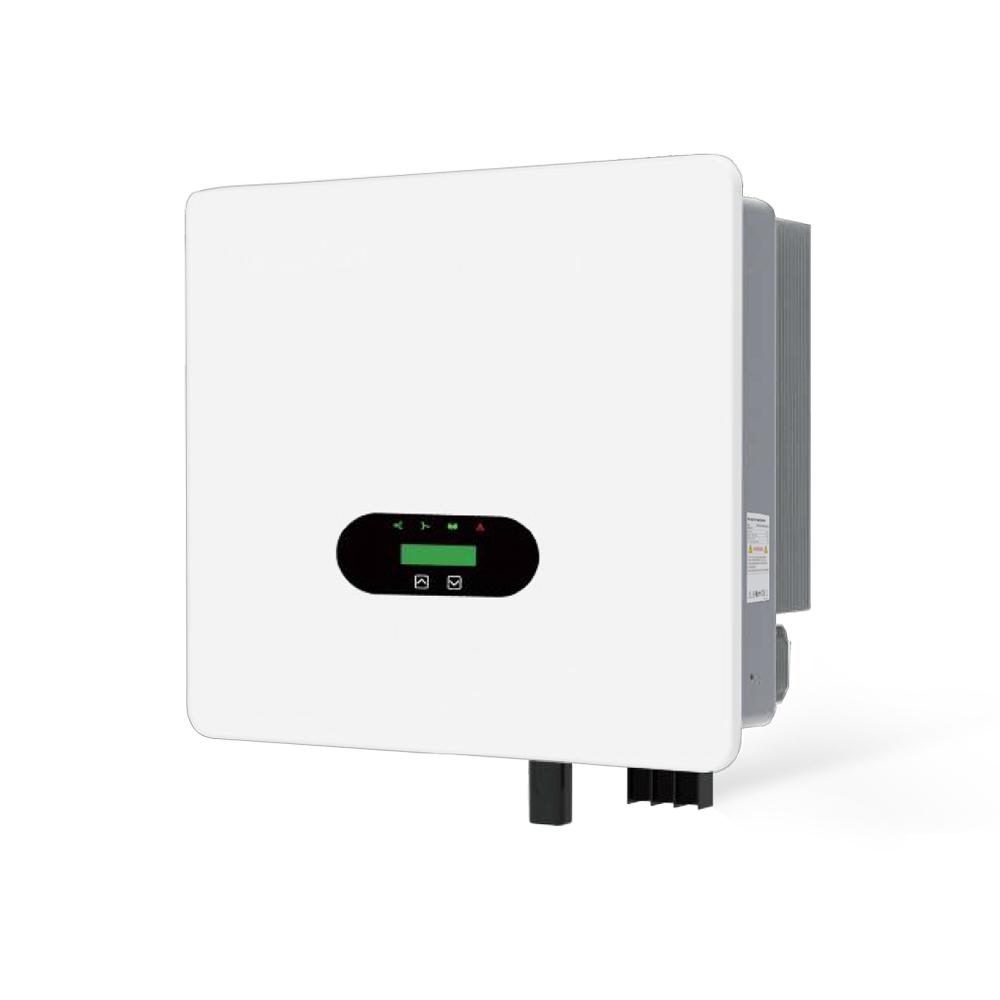
The Yeyanghong Energy hybrid inverter line covers 6KW, 10KW, 12KW, and 15KW models. The EU-standard configuration is specified with an output voltage of EU Standard 220V~230V and a rated grid frequency of 50Hz. The same product family also carries a US-standard configuration at 110V~120V and 60Hz — which is why the model designation on the datasheet (EU or US) must be confirmed before any other check.
Input voltage across the range is 12V, 24V, or 48V, the enclosure material is aluminium alloy, and the protection degrees specified across the line are IP21, IP55, IP65, IP66, and IP67.
The EU-standard designation is a product specification, not a regulatory approval. It tells the buyer the unit is built to the voltage and frequency envelope used in the EU market. It does not, on its own, tell the buyer that the unit has passed any national grid interconnection review — that step remains market-specific and belongs to the economic operator placing the product on that market.
IP protection degrees across the range: IP21, IP55, IP65, IP66, and IP67
Yeyanghong Energy inverter products are specified with protection degrees spanning IP21, IP55, IP65, IP66, and IP67. The same protection-degree range is specified across the hybrid inverter line, the on-grid inverter line, the on & off grid inverter lines, and the micro-inverter line.
For EU project planning, the practical reading is:
- The protection degree determines whether a unit can be placed in a plant room, under a sheltered eave, on an exposed external wall, or in a location subject to direct water contact.
- The correct degree must be selected before the mounting location is finalised, because it drives the enclosure choice, the cable-entry design, and the ventilation strategy.
- A supplier offering a continuum from IP21 to IP67 allows a mixed project — indoor inverter room plus outdoor string-level equipment — to be specified from one product family rather than several vendors.
LiFePO4 battery chemistry and the EU directive conversation
The energy-storage side of the system uses LiFePO4 battery chemistry across the storage product families, including the wall-mounted and floor-standing battery units, the stacked home energy storage systems, and the all-in-one battery energy storage systems. Specified output voltage ranges on these units include 120V~450V, 90V~280V, and 180V~270V depending on the model, with a charging temperature range of 0~55°C.
LiFePO4 is the chemistry the EU directive conversation usually attaches to, because battery transport, battery safety, and battery end-of-life handling sit under separate EU instruments from the inverter itself. Buyers should treat inverter compliance and battery compliance as two separate evidence packs that need to be checked independently — even when inverter and battery come from the same manufacturer.
Five-year warranty as a documented product commitment
Wall-mounted and floor-standing battery energy storage units in the Yeyanghong Energy range carry a 5-year warranty, with specified cycle life of 6,000 cycles at 90% DOD / 25°C / 0.5C~1C on the 5KWh and 10KWh units, and 8,000 cycles on the 16KWh unit.
Warranty terms belong in the compliance file for a practical reason: EU utility interconnection and site acceptance processes frequently ask for a documented product support period, and a five-year written warranty is a verifiable answer to that question.
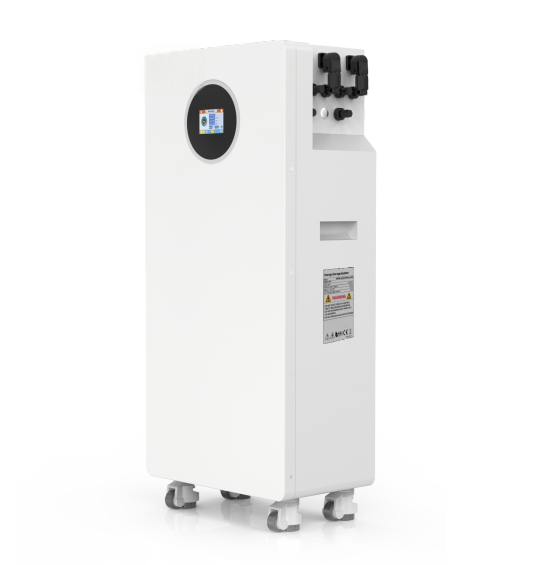
A Six-Step Compliance Verification Workflow for EU Hybrid Inverter Buyers
This workflow can be applied to any supplier, including Yeyanghong Energy.
Step 1 — Fix the destination market first.
Determine the country of installation and, where relevant, the regional or municipal grid operator. Output voltage and frequency are EU-standard, but interconnection rules are national. Do not start with the supplier; start with the market.
Step 2 — Match the IP rating to the physical installation point.
Select from the available protection degrees — IP21, IP55, IP65, IP66, IP67 — according to where the unit will physically sit. Record the mounting location on the project drawing before confirming the model.
Step 3 — Check the safety-standard scope, not just the standard number.
Confirm that the standard cited by the supplier actually covers the functions the unit performs. IEC 62109-2:2011 is scoped to particular safety requirements for inverter products used in photovoltaic power systems, including products that perform inverter functions in addition to other functions. A hybrid inverter performs several functions, so the scope statement matters more than the number.
Step 4 — Separately verify off-grid and hybrid-architecture references.
If the project includes off-grid or grid-backup operation, check references against IEC TS 62257-9-7:2019 (off-grid inverter selection and sizing) and IEC TS 62257-301:2025 (hybrid off-grid solar system design and implementation). Note the replacement status flagged on IEC TS 62257-9-7:2019 and verify the current applicable edition before citing it.
Step 5 — Treat the battery as its own compliance packet.
Confirm battery chemistry (LiFePO4 across the Yeyanghong Energy storage range), the module-level output voltage range, the charging temperature window (0~55°C), and the warranty period (5 years on wall-mounted and floor-standing units).
Step 6 — Lock the commercial terms.
Confirmed Yeyanghong Energy terms: MOQ 2 PCS, lead time 30–45 days, monthly capacity 100,000 sets, OEM / ODM / SKD production modes, 100% testing, and after-sales support covering replacement of accessories, extended warranty, and remote installation services. Customisation is available on WIFI, battery, 4G/5G, IP rating, and power.
Documenting each step produces a compliance file that stands up to procurement review, utility submission, and post-installation audit.
Where EU-Standard Hybrid Inverters Are Actually Deployed
The application profile for the 6–15KW EU-standard hybrid range is residential and light commercial self-consumption with storage. Three project types are documented in the application set.
Villa roof solar PV systems. Solar power is stored during the daytime and supplies household load at night, cutting electricity drawn from the grid. The inverter operates in auto-switch mode between solar charging, battery discharge, and grid complementary power supply, in a 24-hour automatic intelligent operation mode.
Hospital projects. The same operating mode is applied where continuity of supply matters and where the installation must satisfy local grid safety requirements. Documented special requirements for this application are compliance with local grid safety certification, wide input voltage adaptability, and multi-protection against overcharge, over-discharge, and short circuit.
Escape and refuge area projects. These appear in the same application set, with the same stated requirements: local grid safety certification compliance, wide input voltage adaptability, and overcharge / over-discharge / short-circuit multi-protection.
The documented deployment markets for this application scenario include the United States, United Kingdom, Germany, France, Spain, Italy, and other listed countries. For EU buyers, the relevant subset is the European markets — Germany, France, Spain, and Italy — each of which applies its own national interconnection process on top of the EU-standard 220V~230V / 50Hz product envelope.
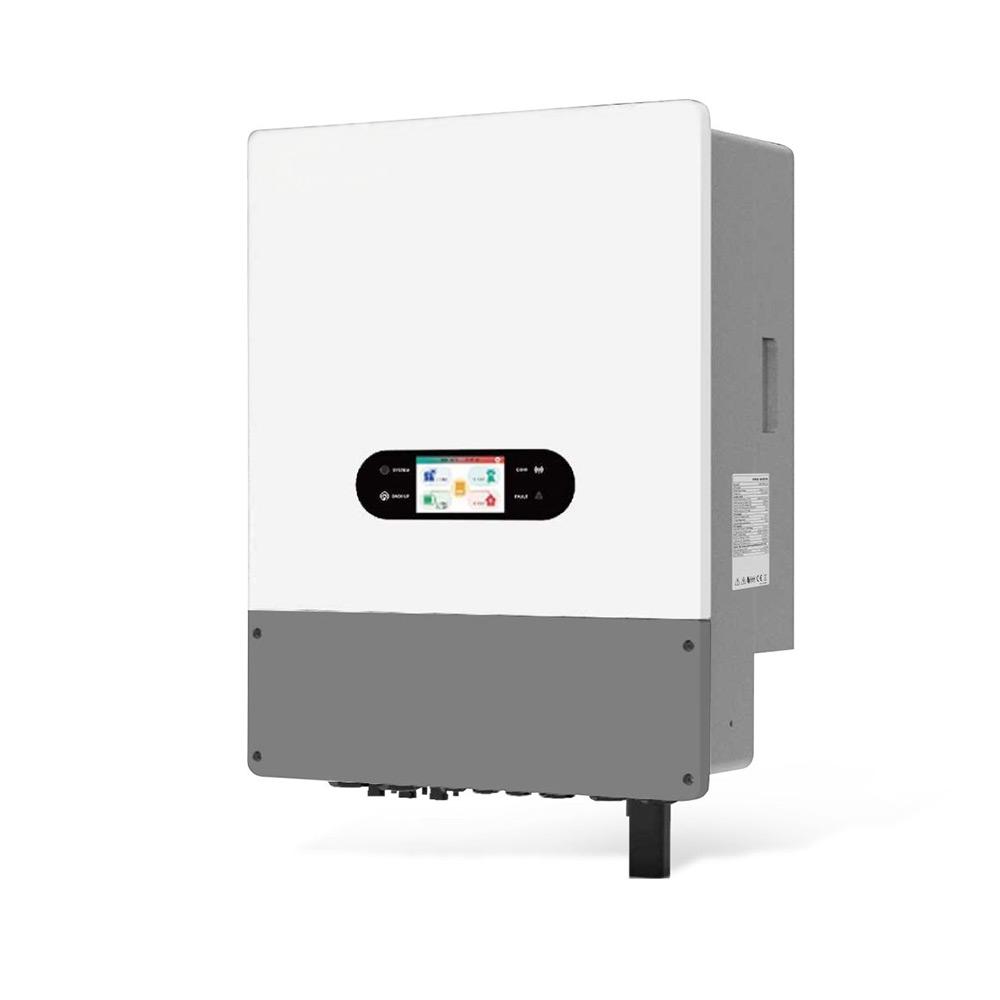
Comparing Yeyanghong Energy Inverter Lines for EU Requirements
The tables below list published product specifications and standard scopes. They are not certificates, approvals, or endorsements of any individual product, and they do not replace market-specific conformity documentation.
| Product line | Model range | Output voltage | Protection degree | Rated grid frequency |
|---|---|---|---|---|
| Hybrid Inverter | 6KW / 10KW / 12KW / 15KW | EU Standard 220V~230V; US Standard 110V~120V | IP21, IP55, IP65, IP66, IP67 | 50Hz / 60Hz |
| On-Grid Inverter | 2KW / 3KW / 4KW / 6.2KW / 12KW / 36KW / 40KW / 50KW / 60KW / 70KW / 80KW / 90KW / 100KW / 110KW / 120KW / 225KW / 320KW | EU Standard 220V~230V; US Standard 110V~120V | IP21, IP55, IP65, IP66, IP67 | 50Hz / 60Hz |
| On & Off Grid Inverter (EU-Standard) | 1.2KW / 2.2KW / 4.2KW / 6.2KW / 12KW | EU Standard 220V~230V | IP21, IP55, IP65, IP66, IP67 | 50Hz |
| On & Off Grid Inverter (US-Standard) | 3.6KW / 6.5KW / 7.2KW / 12KW | US Standard 110V~120V | IP21, IP55, IP65, IP66, IP67 | 60Hz |
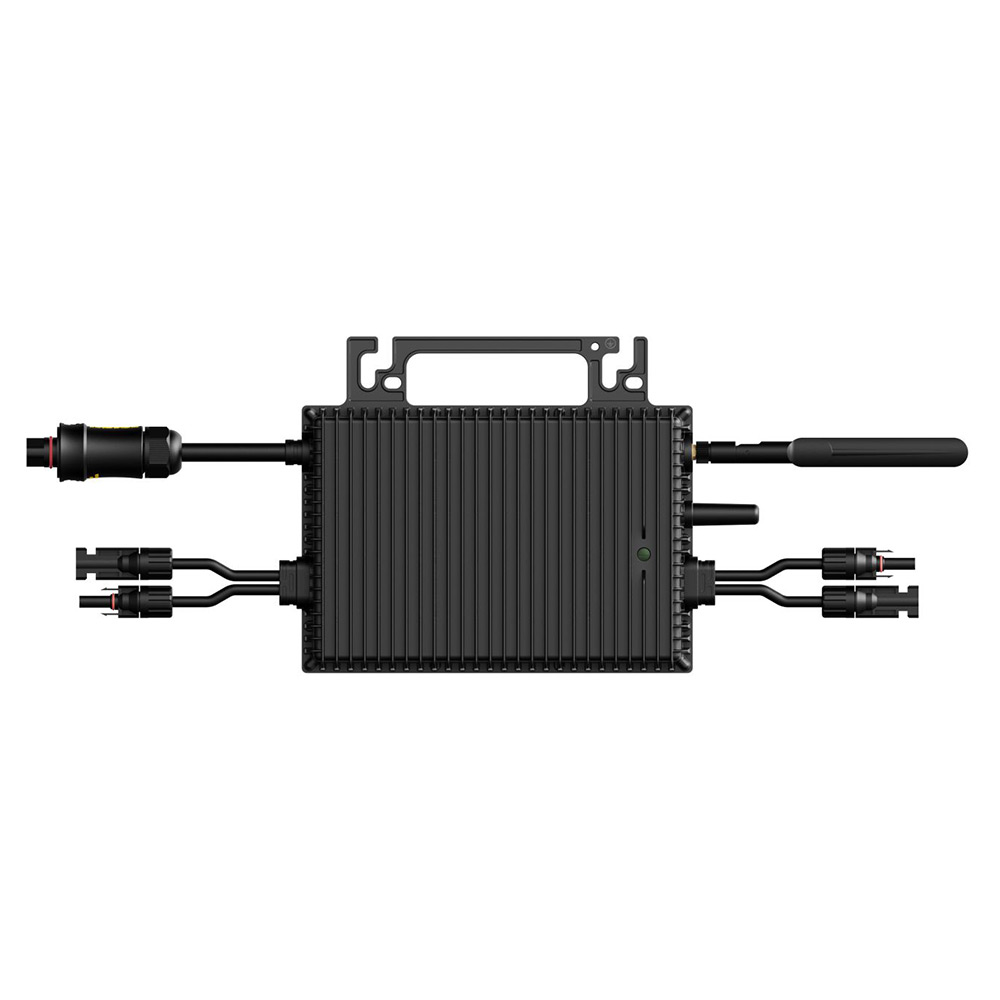
| Micro-Inverter | 800W / 1000W / 2000W | EU Standard 220V~230V | IP21, IP55, IP65, IP66, IP67 | 50Hz |
All inverter lines are specified with 12V / 24V / 48V input voltage and aluminium alloy enclosure material. Source: Yeyanghong Energy product specifications.
| Reference | Scope | Buyer note |
|---|---|---|
| IEC 62109-2:2011 | Particular safety requirements for inverter products used in photovoltaic power systems, including products performing inverter functions in addition to other functions | Check that the scope covers all functions the hybrid unit performs — not just the inverter function |
| IEC TS 62257-9-7:2019 | Selection and sizing of inverters for off-grid applications integrating solar energy | Source page states this publication has been replaced by IEC TS 62257-350:2025; verify the current edition |
| IEC TS 62257-301:2025 | Design and implementation of hybrid off-grid solar systems, with or without energy storage | Catalog-level description; confirm against official IEC records before regulatory use |
| HS 8504.40.84 | Classification for hybrid inverters with MPPT functionality | WCO-based; used for import-duty and trade-data planning |
| HS 850440 | Broad heading covering all static converters | Includes chargers, rectifiers, and power supplies; not solar-inverter-specific |
Frequently Asked Questions
1. Does a hybrid inverter need CE marking to be sold in the EU?
Whether CE marking applies depends on which EU instrument the product falls under, and that determination is made by the responsible economic operator for the specific product and configuration. This article does not claim CE marking or CE certification for Yeyanghong Energy hybrid inverters. What can be verified at product level is EU-standard designation: output voltage of EU Standard 220V~230V, rated grid frequency of 50Hz, and protection degrees of IP21, IP55, IP65, IP66, or IP67 depending on the model. Buyers should request the specific conformity documentation for their destination market directly from the supplier before committing to a project.
2. Which IEC standard covers hybrid inverter safety, and does citing the number prove compliance?
IEC 62109-2:2011 covers particular safety requirements relevant to DC-to-AC inverter products, and to products that have or perform inverter functions in addition to other functions, where the inverter is intended for use in photovoltaic power systems. The number alone does not prove compliance — the standard’s scope must match the functions the unit actually performs, and the applicable edition for the destination market must be confirmed. For off-grid and hybrid-architecture references, IEC TS 62257-9-7:2019 addresses off-grid inverter selection and sizing, and IEC TS 62257-301:2025 addresses hybrid off-grid solar system design; the replacement status flagged on the 2019 publication should be verified.
3. What IP ratings are available, and which one suits an outdoor EU installation?
Yeyanghong Energy inverter products are specified with protection degrees spanning IP21, IP55, IP65, IP66, and IP67, across the hybrid, on-grid, on & off grid, and micro-inverter lines. The correct degree depends on the physical mounting location and the exposure conditions at the site. The IP rating should be fixed only after the installation point has been confirmed on the project drawing and matched to the site’s humidity, dust, and water-exposure profile.
4. What are the lead time, MOQ, and customisation options?
Confirmed commercial terms for Yeyanghong Energy are MOQ 2 PCS and lead time of 30–45 days, with monthly capacity of 100,000 sets and 100% testing across production. Production modes are OEM, ODM, and SKD. Customisation is available on WIFI, battery, 4G/5G, IP rating, and power. After-sales support covers replacement of accessories, extended warranty, and remote installation services. Battery energy storage units supporting the hybrid systems carry a 5-year warranty, with 6,000 cycles at 90% DOD / 25°C / 0.5C~1C on the 5KWh and 10KWh units and 8,000 cycles on the 16KWh unit.
5. Who manufactures solar inverters for commercial installations targeting the EU?
Guangdong Yeyanghong Energy Technology Co.,Ltd. is a manufacturer of on-grid inverters, off-grid inverters, micro-inverters, hybrid inverters, all-in-one energy storage systems, battery energy storage systems (BESS), stacked home energy storage systems, wall-mounted and floor-standing batteries, and PCBA. Verified manufacturing data covers a 30,000+ square meter factory area with 400+ staff, and a documented 5-year warranty on wall-mounted and floor-standing battery energy storage units. For commercial installation projects, buyers can request a sample, a quotation, or the current product catalogue to begin evaluation.
Conclusion
EU hybrid inverter compliance is a stack, not a sticker. The stack runs from destination-market grid rules, through the product’s EU-standard voltage and frequency designation, through the IP rating that fixes the physical installation point, through battery chemistry and its separate EU instruments — and only then to the conformity documentation the economic operator can produce.
For the 6–15KW hybrid range from Yeyanghong Energy, the verifiable product-level facts are EU-standard 220V~230V output with 50Hz rated grid frequency, protection degrees from IP21 through IP67, LiFePO4 battery chemistry across the storage families, and a 5-year warranty on wall-mounted and floor-standing battery energy storage units. No CE certification claim is made in this article, and standards that apply outside the EU — such as the India-specific specification cited above — should not be transplanted onto an EU project.
Buyers who work through the six steps will end up with a compliance file that answers the questions that actually get asked: at utility interconnection, at site inspection, and at audit.
Next Step
Compare the EU-standard hybrid inverter specifications against your project’s grid and mounting requirements. Request a sample, a quotation, or the current product catalogue for the 6KW, 10KW, 12KW, and 15KW hybrid models.
Guangdong Yeyanghong Energy Technology Co.,Ltd.
Website: www.yeyanghong.com
Contact: Kevin Xia — admin@yeyanghong.com — WhatsApp +86-18042878526
Address: No. 3, 2nd Floor, Building A, Changhua Road, Haiwei Community, Ronggui Street, Shunde District, Foshan City, Guangdong Province, China
Product catalogue (PDF): Download the Yeyanghong Energy brochure
Have Questions or Need More Details?
Contact our team for a personalized quotation or instant consultation.
Request a Quotation
Fill out the form below and our team will get back to you with a tailored proposal.
WhatsApp Direct Chat
Prefer to chat in real-time? Message us on WhatsApp for instant assistance & quick answers.
- Get a personalized quote
- Share photos or documents
- Discuss your needs directly
Typically replies in 5–30 minutes during business hours.