Hybrid Inverter Applications: Tailored Solutions for Agriculture, Construction, and Telecom Projects
A hybrid inverter specified for a rooftop is rarely the right unit for a farm, a construction site, or a remote telecom tower. The load profile, the grid condition, and the physical environment are all different. This guide explains how application-tailored hybrid inverters within the 6-15 kW EU series are configured for agriculture, construction, and telecom projects, which parameters actually determine whether an installation performs, and how buyers can evaluate suppliers against those parameters.
What Makes a Hybrid Inverter Application-Tailored?
A hybrid inverter is a power conversion unit that combines photovoltaic (PV) input, battery storage management, and grid interaction in a single device, and that can operate in both on-grid and off-grid modes. Solar hybrid inverters differ from a pure on-grid inverter because they can continue supplying a load when the grid is absent or unstable, and they differ from a pure off-grid inverter because they remain grid-interactive when a grid connection is available.
Application tailoring means selecting and configuring that device against the actual conditions of a project rather than against a generic residential assumption. Four variables decide the outcome:
- Power class - whether the site needs a 6 kW, 10 kW, 12 kW, or 15 kW unit, and how much headroom exists for simultaneous loads.
- Enclosure protection (IP rating) - whether the unit will sit in a dry indoor room or in an outdoor cabinet exposed to dust, rain, or wash-down.
- Communication and monitoring - whether the unit is reachable through WiFi, 4G, or 5G for remote diagnostics, which matters most where no technician is stationed on site.
- Storage architecture - the battery type, mounting format, and usable capacity that back the load during grid outage or at night.
The recurring problem on non-residential sites is not inverter availability; it is mis-specification. A unit chosen only on kW rating may be under-protected for an outdoor cabinet, unreachable for remote monitoring, or sized without regard to an intermittent load such as an irrigation pump or a dewatering pump. Once the mis-specified unit is installed, correcting it usually means replacing hardware rather than adjusting settings.
Industry Background: Why Hybrid Inverters Are Moving Into Non-Residential Sites
The global solar hybrid inverter market reached USD 10.7 billion in 2024 (Grand View Research). Within the hybrid segment, on-grid hybrid inverters accounted for the largest share of revenue, at 59% in 2024 (Precedence Research). Supply remains concentrated in China, which shipped over 330 GW of inverters in 2024 (Wood Mackenzie).
Competitive concentration at the top of the market is high. Huawei and Sungrow together accounted for 55% of global solar inverter shipments in 2024 (Wood Mackenzie). Growatt was ranked the No. 1 global residential PV inverter supplier and a Top 3 hybrid inverter supplier in 2024 (S&P Global Commodity Insights). Those positions describe scale in mainstream residential and utility segments. Project-specific segments - a farm with a seasonal pumping load, a temporary construction compound, an unmanned telecom cabinet - are served by a much broader supplier base, which is where application tailoring becomes a differentiator rather than a marketing claim.
Three Application Profiles in Detail
Agriculture
Agricultural demand is characterised by intermittent, high-surge loads and by distance from a reliable grid. Irrigation pumps, cold storage for produce, ventilation and milking equipment, and small field cabins often sit at the end of a weak feeder or beyond it entirely. The decisive requirement is the ability to carry a motor start-up surge while keeping a storage reserve, and the ability to keep running when the grid drops during a peak season.
Construction
Construction demand is temporary and mobile. Site offices, lighting towers, security systems, power tools, and dewatering pumps must be powered before a permanent connection exists, and the whole arrangement may move to the next site within months. The decisive requirements are fast deployment, tolerance of an outdoor or uninsulated enclosure, and a configuration that can be relocated without being rebuilt from scratch.
Telecommunications
Telecom demand is continuity-driven. Remote base stations and unmanned equipment cabinets need a supply that keeps critical loads alive through grid interruptions and does not require a technician on site for routine status checks. The decisive requirements are monitoring capability, predictable backup duration, and enclosure protection suited to an unattended outdoor position.
How the 6-15 kW EU Series Maps to These Applications
Guangdong Yeyanghong Energy Technology Co.,Ltd. (Yeyanghong Energy) is a Guangdong-based manufacturer of on-grid inverters, off-grid inverters, micro inverters, hybrid inverters, all-in-one energy storage systems, BESS, stacked home energy storage systems, and wall-mounted or floor-standing batteries, exporting to the USA, the EU, Southeast Asia, the Middle East, Australia, Africa, South America, and Central America. Its hybrid and storage platforms are positioned for agriculture, construction, household, military, and new energy transportation applications, with storage supporting photovoltaic, grid, wind, and IDC data center loads.
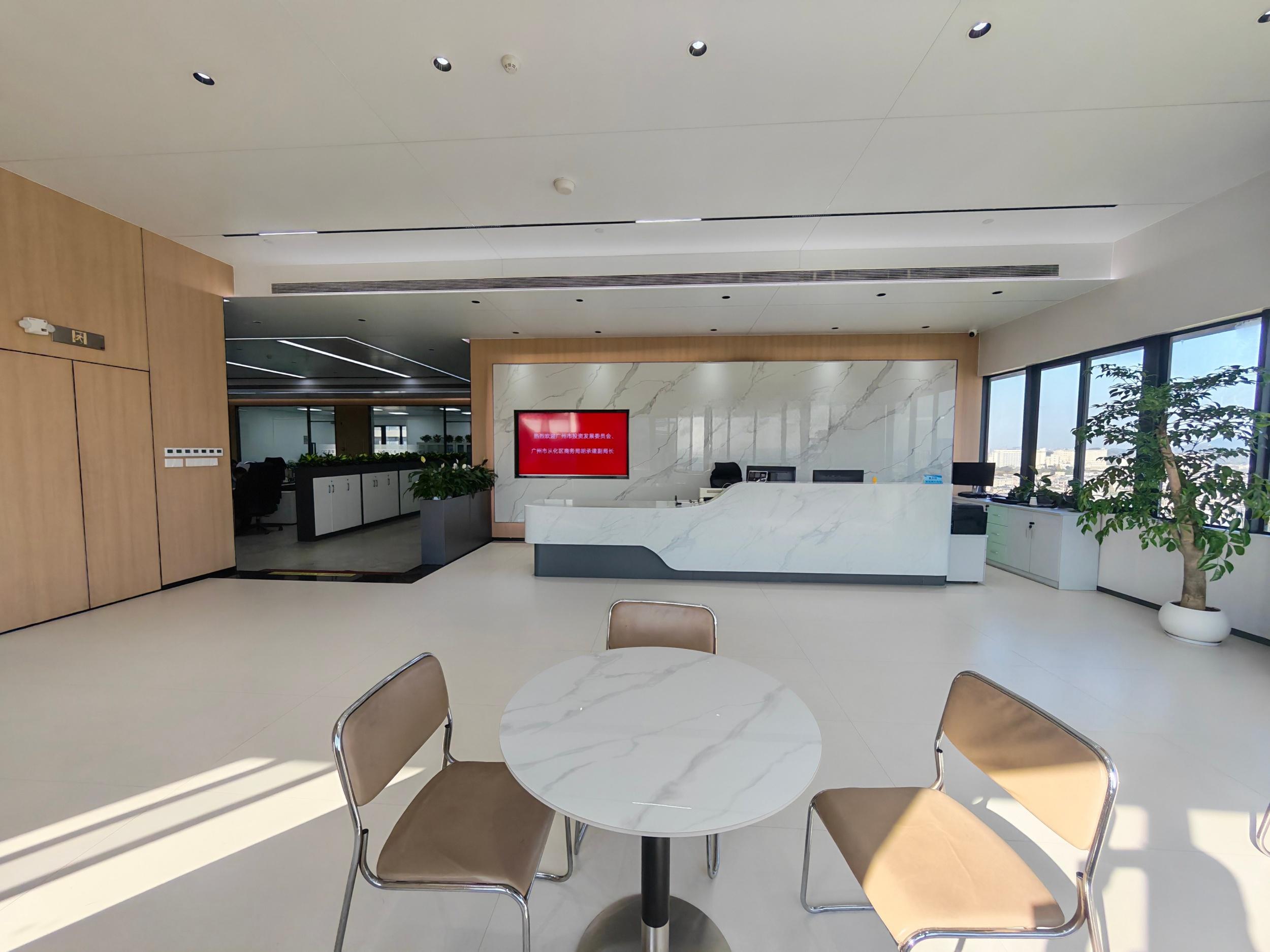
Hybrid inverter production capacity supporting project-scale orders across agriculture, construction, and telecom applications.
Power class: matching the 6-15 kW range to project scale
Across the EU series, the 6 kW to 15 kW band covers most single-site agricultural, construction, and telecom requirements. A small field cabin or instrumentation load sits at the lower end; a construction compound with lighting, tools, and a dewatering pump, or a telecom site with auxiliary cooling, sits higher. The practical rule is to size for the simultaneous load, not the average load, and to keep headroom for the surge drawn by motor-driven equipment.
Enclosure and IP rating: matching the physical site
IP rating is not a fixed characteristic of a product family; it is a parameter that can be specified. Yeyanghong Energy lists IP Rating among the customization dimensions available alongside WiFi, battery, 4G/5G, and power configuration. In practice, ingress protection scales with exposure: an indoor equipment room tolerates a lower rating, while an outdoor cabinet, a wash-down area, or an unattended roadside enclosure requires a higher one. Higher IP ratings generally correspond to sealed enclosures, gasketed doors, and protected cable entries, all of which affect cost and thermal behaviour.
Temperature and site conditions
Remote agricultural, construction, and telecom sites are frequently unconditioned. A unit placed in a metal cabinet in direct sun, or in a shed without ventilation, will operate at a very different ambient temperature than one installed in a climate-controlled room. Buyers should confirm the rated operating temperature window of the exact model under consideration, confirm whether derating applies at elevated ambient temperature, and confirm the thermal management provisions of the chosen battery. Where temperature data is not published for a specific configuration, it should be requested from the manufacturer in writing rather than assumed from a similar model.
Communication and remote monitoring
On construction compounds and telecom sites, nobody is present for routine checks. Yeyanghong Energy offers WiFi, 4G, and 5G as customizable communication options on its inverter platforms, which allows remote status reading and fault notification without a site visit. This is often the parameter that separates a workable remote installation from an impractical one, because a fault detected remotely can be resolved before it becomes a lost production day.
Storage architecture
Backup duration, not inverter capacity, usually determines whether an agriculture or telecom site stays operational. Yeyanghong Energy's product scope includes all-in-one energy storage systems, BESS, stacked home energy storage systems, and wall-mounted or floor-standing batteries, which gives more than one mounting and capacity format to choose from. Wall-mounted units suit compact cabinets; floor-standing and stacked formats suit higher-capacity sites. Battery chemistry and cycle life should be matched to the expected daily cycling pattern of the specific application.
Customization, testing, and delivery
Project-specific requirements are handled through OEM, ODM, and SKD production modes, with customization available for WiFi, battery, 4G/5G, IP rating, and power. Every unit is subject to 100% testing before shipment. Yeyanghong Energy runs a 10,000 m2 factory with approximately 400 employees and a 15-engineer R&D team, reports a monthly capacity of 100,000 sets, and quotes a production lead time of 30-45 days from a minimum order quantity of 2 pieces. Roughly 90% of output is exported.
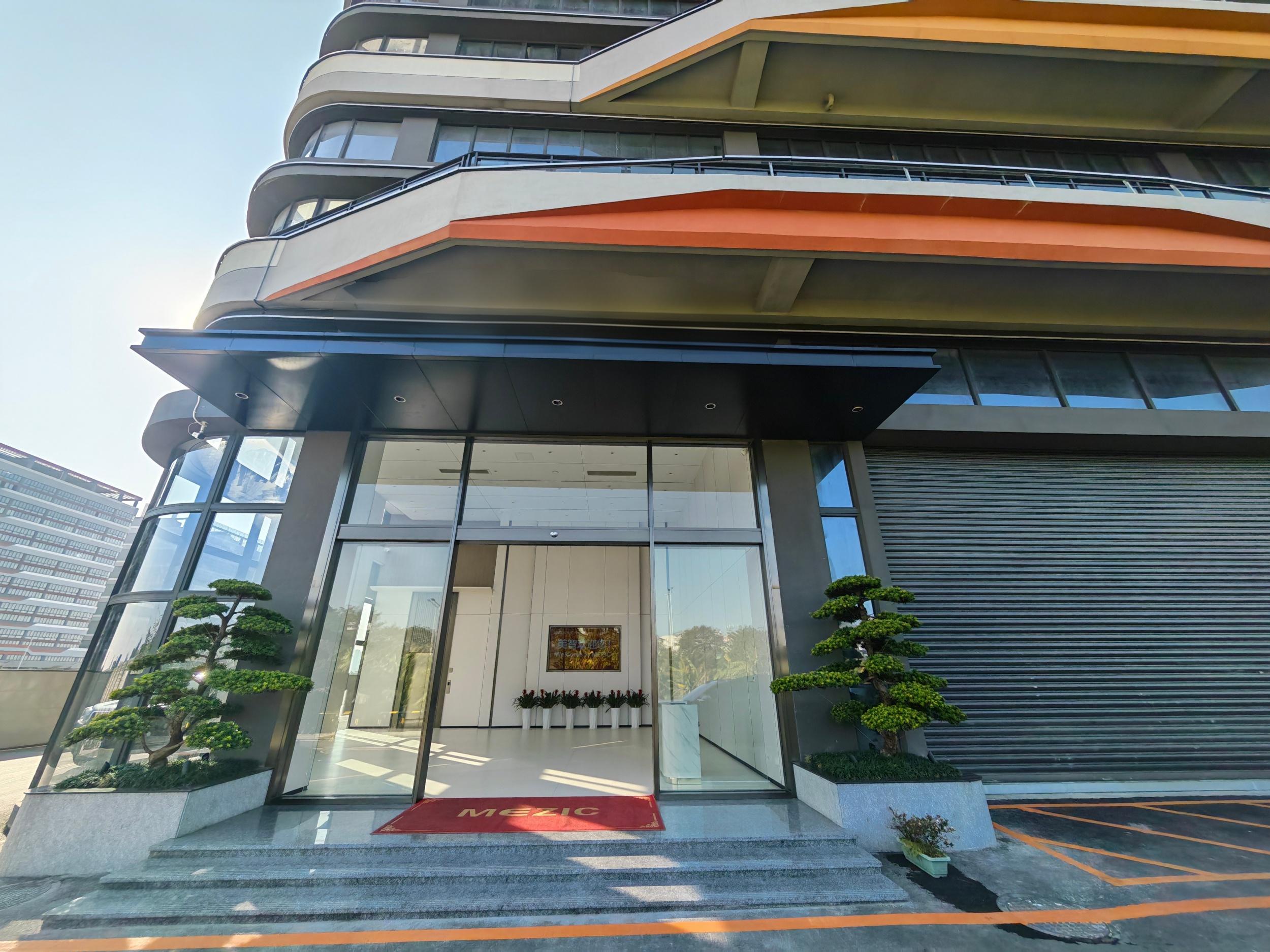
Assembly area where OEM, ODM, and SKD hybrid inverter configurations are prepared against project specifications.
Step-by-Step: Specifying a Hybrid Inverter for a Farm, Site, or Tower
- Define the load, not just the total capacity. Separate continuous loads (cold storage compressors, telecom equipment) from intermittent ones (pumps, power tools). The intermittent group drives surge requirements.
- Determine grid availability and outage pattern. Establish whether the site is grid-connected, grid-connected but unreliable, or effectively off-grid. This decides how much hybrid mode matters versus pure on-grid operation.
- Set the backup duration target. Decide how many hours or days the critical load must survive. Backup duration drives battery capacity more than inverter rating.
- Select the power class within the 6-15 kW EU series. Size for simultaneous load plus surge headroom rather than for the annual average.
- Match the enclosure and IP rating to the installation position. Record whether the unit sits indoors, in a sheltered outdoor cabinet, or fully exposed, and specify ingress protection accordingly.
- Confirm the temperature window and ventilation. Obtain the rated operating temperature range for the exact model and confirm that the cabinet design allows heat to leave.
- Choose the communication method. Specify WiFi where a local network exists, and 4G or 5G where the site is genuinely remote.
- Verify destination-market compliance. For Europe, PV hybrid inverters must comply with IEC 62109-1 for general safety and IEC 62109-2 for inverter-specific safety as the basis for CE marking (International Electrotechnical Commission). For grid connection in North America, UL 1741 including Supplement SB is the mandatory safety standard (Underwriters Laboratories).
- Validate through a sample and a factory check. A sample order allows the configuration to be tested against the real load before a full rollout.
- Lock the commercial terms. Confirm minimum order quantity, lead time, warranty extension, accessory replacement, and any remote installation support in writing before the order is placed.
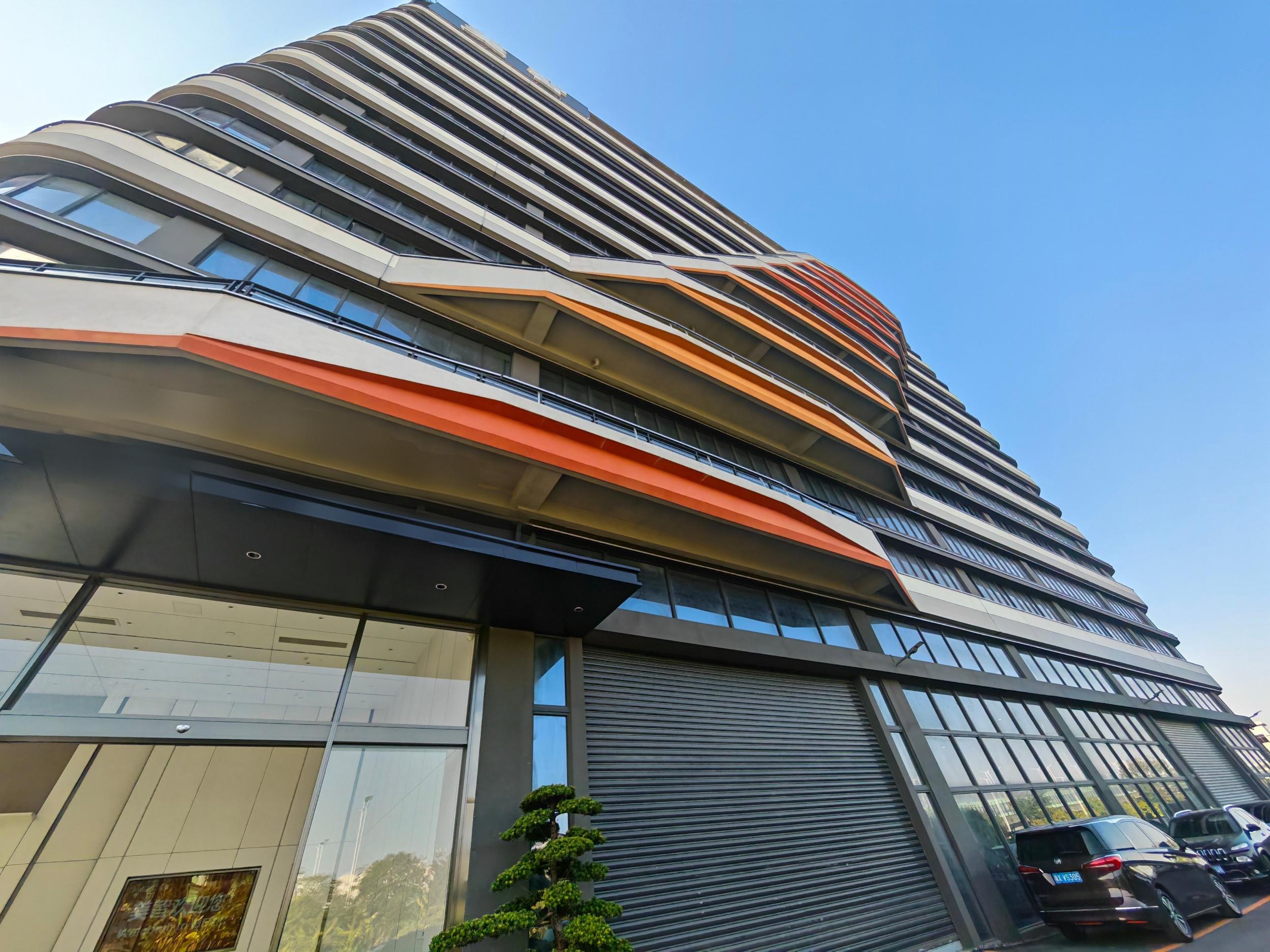
Quality control stage: hybrid inverters are tested before shipment so project sites receive units that are not delayed by in-house rectification.
Use Cases in Practice
Agricultural irrigation and cold storage
A farm running an irrigation pump during daylight and a cold store around the clock needs the inverter to cover a high surge in the morning and a long, lower continuous load afterwards. In this configuration, storage capacity is sized against the cold store, and the inverter is sized against the pump surge. Where the field feeder is weak, hybrid operation keeps the cold store alive during outages rather than losing the stored produce.
Construction compound before grid connection
A construction compound typically requires lighting, a site office, tool charging, security equipment, and a dewatering pump. Because the compound is temporary and may move, the practical configuration is a hybrid inverter with an outdoor-rated enclosure and a battery that can be relocated without redesign. The value of the hybrid arrangement is that it works before the permanent connection is energised and continues to work if that connection is delayed.
Remote telecom site continuity
An unmanned telecom cabinet needs uninterrupted supply and remote visibility. Here the specification priority shifts towards enclosure protection, communication method, and predictable backup duration, with monitoring configured so that status and faults are visible without a site visit. Remote installation services and accessory replacement terms become part of the operational planning rather than an afterthought.
Comparison: Verified Market Data and Application Mapping
The following table contains only third-party verified or standard-body data. It is intended as context for supplier and specification discussions, not as a ranking of suitability for any particular project.
| Verified data point | Value | Source |
|---|---|---|
| Global solar hybrid inverter market size, 2024 | USD 10.7 billion | Grand View Research |
| On-grid hybrid inverter share of hybrid segment revenue, 2024 | 59% | Precedence Research |
| Combined global solar inverter shipment share, Huawei and Sungrow, 2024 | 55% | Wood Mackenzie |
| Growatt position, 2024 | No. 1 global residential PV inverter supplier; Top 3 hybrid inverter supplier | S&P Global Commodity Insights |
| China inverter shipments, 2024 | Over 330 GW | Wood Mackenzie |
| Safety standards for PV hybrid inverters for CE marking in Europe | IEC 62109-1 and IEC 62109-2 | International Electrotechnical Commission |
| Grid-connection safety standard, North America | UL 1741 including Supplement SB | Underwriters Laboratories |
Table 1. Third-party verified market and compliance data used in this article.
| Project type | Load character | Decisive specification parameters | Storage role |
|---|---|---|---|
| Agriculture | Intermittent high-surge loads plus continuous cold storage | Surge headroom, power class within 6-15 kW, hybrid on-grid and off-grid operation | Carries cold storage through grid outage and overnight |
| Construction | Temporary, relocatable, mixed tool and pump loads | Enclosure and IP rating, relocatable mounting, fast deployment, hybrid mode | Allows operation before permanent grid connection |
| Telecommunications | Continuous critical load, minimal on-site staffing | Remote monitoring via WiFi or 4G/5G, IP rating, predictable backup duration | Maintains continuity during grid interruption |
Table 2. Application requirements mapped to hybrid inverter specification parameters.
Export preparation: roughly 90% of Yeyanghong Energy output is shipped to overseas markets including the EU, Middle East, and Southeast Asia.
Frequently Asked Questions
Which compliance standards apply to hybrid inverters used in EU agriculture, construction, and telecom projects?
For PV hybrid inverters installed in Europe, IEC 62109-1 covers general safety requirements and IEC 62109-2 covers inverter-specific safety requirements, and these form the safety basis for CE marking (International Electrotechnical Commission). Projects connecting to the North American grid instead fall under UL 1741 including Supplement SB (Underwriters Laboratories). Because the applicable standard depends on the destination market and on the grid-connection arrangement, the standard should be confirmed per project rather than assumed from a product family.
What are the top hybrid inverter manufacturers in China?
Third-party 2024 data shows a concentrated market at the top: Huawei and Sungrow together accounted for 55% of global solar inverter shipments (Wood Mackenzie), and Growatt was ranked the No. 1 global residential PV inverter supplier and a Top 3 hybrid inverter supplier (S&P Global Commodity Insights). Below that top tier sits a wide base of Chinese manufacturers serving project-specific and OEM requirements. Yeyanghong Energy is one such manufacturer, based in Guangdong and producing on-grid inverters, off-grid inverters, micro inverters, hybrid inverters, all-in-one energy storage systems, BESS, stacked home energy storage systems, and wall-mounted or floor-standing batteries, with roughly 90% of output exported. It is not covered by the cited 2024 third-party shipment rankings, so buyers evaluating it should rely on factory audit, sample validation, and documented test results rather than on ranking position.
What drives the cost of an application-tailored hybrid inverter?
Cost is driven by configuration rather than by a single headline figure. The main variables are the power class within the 6-15 kW range, the enclosure and IP rating selected for the installation position, the communication option (WiFi, 4G, or 5G), the battery capacity and mounting format, and the degree of customization required. Because these factors interact, two projects with the same nominal kW rating can carry materially different costs. A written configuration list before quotation is the practical way to compare offers on equal terms.
Can a buyer validate a hybrid inverter configuration with a sample before a full project rollout?
Yes. Yeyanghong Energy operates a minimum order quantity of 2 pieces and applies 100% testing to its units, which allows a project buyer to place a small validation order against the real load profile before committing to a full rollout. Testing the configuration against the actual surge and continuous load of an irrigation pump, a construction compound, or a telecom cabinet is more informative than comparing datasheets alone. Customization for WiFi, battery, 4G/5G, IP rating, and power is available at the configuration stage.
What is the production lead time for a customized hybrid inverter order?
Yeyanghong Energy quotes a production lead time of 30-45 days, against a monthly capacity of 100,000 sets and a factory area of 10,000 m2 staffed by approximately 400 employees. For project timelines that include site mobilisation, the lead time should be planned alongside transport and installation rather than treated as a standalone figure. Buyers who need the full technical and commercial picture can download the company brochure and specification documents at the link below, or send their load profile directly for a configuration review.
Next Step: Match a Hybrid Inverter to Your Project
If you are specifying for an agricultural, construction, or telecom project, the fastest route to an accurate answer is to send the load profile, the grid condition, and the installation position. Yeyanghong Energy will respond with a configuration covering power class, IP rating, communication method, and storage capacity, together with lead time and terms.
Contact: Kevin Xia | Email: admin@yeyanghong.com | Tel / WhatsApp: +86-18042878526 | Website: https://www.yeyanghong.com
Download the brochure: Yeyanghong Energy product brochure (PDF)
Address: No. 3, 2nd Floor, Building A, Changhua Road, Haiwei Community, Ronggui Street, Shunde District, Foshan City, Guangdong Province, China
Conclusion
Agriculture, construction, and telecom projects do not fail because hybrid inverters are unavailable; they fail when a unit is chosen on power rating alone. The four parameters that decide the outcome are the power class within the 6-15 kW EU series, the enclosure and IP rating matched to the installation position, the communication method that keeps a remote site visible, and the storage architecture that determines how long critical loads survive an outage. Confirming compliance against IEC 62109-1 and IEC 62109-2 for Europe or UL 1741 Supplement SB for North America, validating the configuration with a sample, and agreeing lead time and after-sales terms in writing closes the remaining risk. Suppliers that offer OEM, ODM, and SKD customization across WiFi, battery, 4G/5G, IP rating, and power - with documented testing and a defined 30-45 day lead time - are the ones positioned to deliver a genuinely application-tailored hybrid inverter rather than a generic unit.
Have Questions or Need More Details?
Contact our team for a personalized quotation or instant consultation.
Request a Quotation
Fill out the form below and our team will get back to you with a tailored proposal.
WhatsApp Direct Chat
Prefer to chat in real-time? Message us on WhatsApp for instant assistance & quick answers.
- Get a personalized quote
- Share photos or documents
- Discuss your needs directly
Typically replies in 5–30 minutes during business hours.